
BY JOHN MARTIGNONI
Question:
You seem to be saying in your last few articles that the Church got it wrong when it turned the altars around to face the people. I do not, however, wish to make an unwarranted assumption and so I’ll just ask: Do you believe the Church was wrong to turn the altars to face the people and are you advocating for a return to the old way with the altar facing the tabernacle?
Answer:
Not trying to be elusive here, but those are the wrong questions. The main point of these articles has not been what I believe or what I would or would not like to see. The whole reason for these articles was because of the question I received from someone who was feeling a bit put out by the use of Latin in the liturgy and the new life given to the Traditional Latin Mass. Her question seemed to indicate a fear of, and even anger towards, anything Latin. I have to be honest and say that I am always somewhat stunned when I see that kind of visceral reaction directed towards the liturgy – any authentic liturgy - whether it be directed toward the Traditional Latin liturgy, or it be directed to the new liturgy (the Novus Ordo). So, what I attempted to do with my articles was to educate folks as to why we are seeing and hearing more about Latin and the Latin Mass these days.
And, the reason why we are seeing and hearing more about Latin and the Latin Mass, is because Pope Benedict is making a deliberate attempt to bring about what he believes is a much needed reconciliation between the pre- and post-Vatican II liturgies. As he said in a letter to the Bishops regarding his reasoning for wanting the Traditional Latin Mass to be more available, “I now come to the positive reason which motivated my decision to issue this Motu Proprio…It is a matter of coming to an interior reconciliation in the heart of the Church.”
The reason we are in need of a liturgical reconciliation, according to Pope Benedict, is that there was a bit of a disconnect between the intent of Vatican II and the implementation of Vatican II, “Many people who clearly accepted the binding character of the Second Vatican Council, and were faithful to the Pope and the Bishops, nonetheless also desired to recover the form of the sacred liturgy that was dear to them. This occurred above all because in many places celebrations were not faithful to the prescriptions of the new Missal, but the latter actually was understood as authorizing or even requiring creativity, which frequently led to deformations of the liturgy which were hard to bear.”
These deformations of the liturgy that the Pope speaks of, caused great wounds within the Church. The Pope is trying to heal those wounds by slowly bringing the liturgy back to what he believes was intended after Vatican II. He is moving slowly, it seems, in order to first educate the faithful and to allow for reasoned dialogue on these matters. Too often in the past, discussion of all things liturgical has resulted in passionate and sometimes heated exchanges, with each side putting labels on the other, that tended to deepen the wounds rather than heal them.
Our Holy Father is calling for a new paradigm for the discussion of such matters: “The Congregation's response should thus make for a new, more relaxed discussion, in which we can search for the best ways of putting into practice the mystery of salvation. The quest is to be achieved, not by condemning one another, but by carefully listening to each other and, even more importantly, listening to the internal guidance of the liturgy itself. The labelling of positions as 'preconciliar', 'reactionary', and 'conservative', or as 'progressive' and 'alien to the faith' achieves nothing; what is needed is a new mutual openness in the search for the best realization of the memorial of Christ."
So, my last few articles have, I hope in at least some small way, served to educate the faithful as to what is going on in regards to the liturgy of late, and why. I also hope that they will help to stimulate more discussion, in a reasoned and respectful manner, regarding the liturgy, so that the reconciliation Pope Benedict desires can continue to progress. The more educated we are on the liturgy, which is the source and summit of all that we are as Catholics, the better it will be for each of us individually, for our parishes, and for the Church as a whole.
Am I advocating for the altar to be turned back around to face the tabernacle rather than the people? Let’s just say that I am advocating for what Pope Benedict is advocating for – interior reconciliation within the heart of the Church.
Question:
You seem to be saying in your last few articles that the Church got it wrong when it turned the altars around to face the people. I do not, however, wish to make an unwarranted assumption and so I’ll just ask: Do you believe the Church was wrong to turn the altars to face the people and are you advocating for a return to the old way with the altar facing the tabernacle?
Answer:
Not trying to be elusive here, but those are the wrong questions. The main point of these articles has not been what I believe or what I would or would not like to see. The whole reason for these articles was because of the question I received from someone who was feeling a bit put out by the use of Latin in the liturgy and the new life given to the Traditional Latin Mass. Her question seemed to indicate a fear of, and even anger towards, anything Latin. I have to be honest and say that I am always somewhat stunned when I see that kind of visceral reaction directed towards the liturgy – any authentic liturgy - whether it be directed toward the Traditional Latin liturgy, or it be directed to the new liturgy (the Novus Ordo). So, what I attempted to do with my articles was to educate folks as to why we are seeing and hearing more about Latin and the Latin Mass these days.
And, the reason why we are seeing and hearing more about Latin and the Latin Mass, is because Pope Benedict is making a deliberate attempt to bring about what he believes is a much needed reconciliation between the pre- and post-Vatican II liturgies. As he said in a letter to the Bishops regarding his reasoning for wanting the Traditional Latin Mass to be more available, “I now come to the positive reason which motivated my decision to issue this Motu Proprio…It is a matter of coming to an interior reconciliation in the heart of the Church.”
The reason we are in need of a liturgical reconciliation, according to Pope Benedict, is that there was a bit of a disconnect between the intent of Vatican II and the implementation of Vatican II, “Many people who clearly accepted the binding character of the Second Vatican Council, and were faithful to the Pope and the Bishops, nonetheless also desired to recover the form of the sacred liturgy that was dear to them. This occurred above all because in many places celebrations were not faithful to the prescriptions of the new Missal, but the latter actually was understood as authorizing or even requiring creativity, which frequently led to deformations of the liturgy which were hard to bear.”
These deformations of the liturgy that the Pope speaks of, caused great wounds within the Church. The Pope is trying to heal those wounds by slowly bringing the liturgy back to what he believes was intended after Vatican II. He is moving slowly, it seems, in order to first educate the faithful and to allow for reasoned dialogue on these matters. Too often in the past, discussion of all things liturgical has resulted in passionate and sometimes heated exchanges, with each side putting labels on the other, that tended to deepen the wounds rather than heal them.
Our Holy Father is calling for a new paradigm for the discussion of such matters: “The Congregation's response should thus make for a new, more relaxed discussion, in which we can search for the best ways of putting into practice the mystery of salvation. The quest is to be achieved, not by condemning one another, but by carefully listening to each other and, even more importantly, listening to the internal guidance of the liturgy itself. The labelling of positions as 'preconciliar', 'reactionary', and 'conservative', or as 'progressive' and 'alien to the faith' achieves nothing; what is needed is a new mutual openness in the search for the best realization of the memorial of Christ."
So, my last few articles have, I hope in at least some small way, served to educate the faithful as to what is going on in regards to the liturgy of late, and why. I also hope that they will help to stimulate more discussion, in a reasoned and respectful manner, regarding the liturgy, so that the reconciliation Pope Benedict desires can continue to progress. The more educated we are on the liturgy, which is the source and summit of all that we are as Catholics, the better it will be for each of us individually, for our parishes, and for the Church as a whole.
Am I advocating for the altar to be turned back around to face the tabernacle rather than the people? Let’s just say that I am advocating for what Pope Benedict is advocating for – interior reconciliation within the heart of the Church.
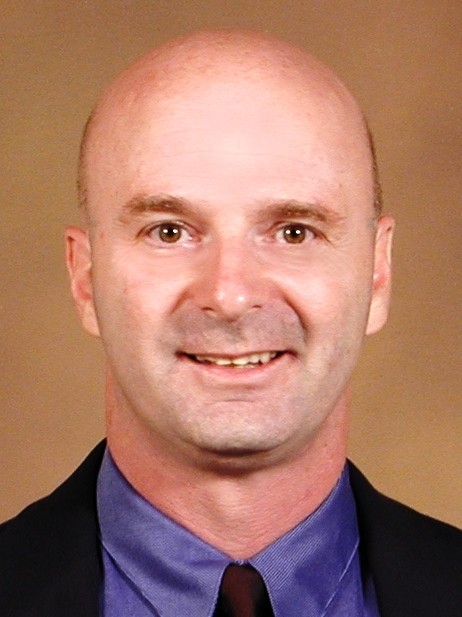 | About John Martignoni John Martignoni is the Director of the Office of Evangelization for the Diocese of Birmingham in Alabama and also the President of the Bible Christian Society. John's column, Apologetics 101, appears regularly in the diocesan newspaper, the One Voice. If you have a question about the Catholic Faith, please send an email to: jmartignoni@bhmdiocese.org. And check out John's free audio and written apologetics materials at: www.biblechristiansociety.com. |

