
By JOHN MARTIGNONI
Why Latin: Part 1, Part 2, Part 3
Question:
I have been attending a Catholic Church in the diocese in which the priest and congregation sing some of the parts in Latin. I am curious as to why the Catholic Church is bringing this back and in some parishes even saying the mass entirely in Latin. It appears that the Church is going back to traditionalism. How does this (Latin) entice new people to the Catholic faith? If I were looking for a Christian faith to join and visited a parish with Latin, I would take Catholicism off my list. I, myself, have considered looking elsewhere for a new faith because of this. Shouldn’t the church be looking forward and seeking out modern ways to entice newcomers? To many outsiders, the Catholic Mass is already very dry and boring with all of its prayers through Mass, let alone adding in Latin. Please advise and help me understand the Latin importance in this modern age.
Answer:
You are not the only person that I have seen or heard getting angry when it comes to Latin and to the Traditional Latin Mass (TLM). But, what you need to understand, is that when the Novus Ordo Mass was introduced, and the TLM was abandoned virtually overnight, it created some deep wounds...wounds within the Body of Christ...that needed to be healed. A lot of people felt like they had had their heart ripped out. Many tried to adapt and adjust, but then they were almost immediately faced with a certain amount of "creativity" in the liturgy that only wounded them more deeply.
In spite of the words of Vatican II, individual priests began to tinker with the liturgy to make it more in line with their own personal opinions of what the Mass should be and with their own private vision of the "spirit of Vatican II." Some priests would often change the wording of prayers - adding words here, taking them out there - or they would ignore the rubrics and other such liturgical abuses. Such abuses, among other things, led to a schism here and a schism there and to many people simply leaving the Church altogether. The Body of Christ was wounded. There were also many who did not go into schism, but were deeply wounded by these abuses, nonetheless. And, as Scripture tells us, what affects one part of the Body affects all parts of the Body.
The liturgy of the Church - any authentic liturgy of the Church - whether in English or in Latin, should not be a source of pain, nor a source of anger and bitterness, for anyone who calls themself a Catholic. That is why Pope Benedict has taken steps to, in essence, reevaluate the liturgical reforms of the 60’s and 70’s in light of the Church’s ancient liturgical tradition. And the first step in this reevaluation is to go back – back to the point where the wounds were inflicted, back to the point of rupture between the old and the new – and try to restore the connection between the two forms of liturgy. This, he hopes, will heal wounds, promote harmony, and create an atmosphere where an authentic renewal of the liturgy may flourish.
In a letter to the Bishops that accompanied his Motu Proprio, “Summorum Pontificum” (a document from the Pope making the Traditional Latin Mass more available to all), Pope Benedict said, “I now come to the positive reason which motivated my decision to issue this Motu Proprio…It is a matter of coming to an interior reconciliation in the heart of the Church.”
In making the TLM more available, the Pope is helping this reconciliation to occur by allowing each of us to rediscover our liturgical heritage and to participate in this liturgical “treasure,” as he has called it. And it seems our Pope knows his business, because his actions have already led to some healing in the Body of Christ, as we have seen right here in our own diocese. And they have led to discussions that may result in even greater healing in the Body in the future.
As I have stated previously, Latin is not necessarily my cup of tea, so I can somewhat understand where you’re coming from. But, instead of reacting with anger and bitterness, we need to be a bit more open-minded and try to understand what the Church is doing and why. And, we need to do our part to help promote the healing, the reconciliation, and the authentic liturgical renewal that our Pope is trying to engender. If that means that we have to come out of our comfort zones a bit, well then, so be it. Just look at the Cross and ask yourself if He would do any less for you. As Archbishop Fulton Sheen used to say, “Jesus came to comfort the afflicted, and to afflict the comfortable.”
Question:
I have been attending a Catholic Church in the diocese in which the priest and congregation sing some of the parts in Latin. I am curious as to why the Catholic Church is bringing this back and in some parishes even saying the mass entirely in Latin. It appears that the Church is going back to traditionalism. How does this (Latin) entice new people to the Catholic faith? If I were looking for a Christian faith to join and visited a parish with Latin, I would take Catholicism off my list. I, myself, have considered looking elsewhere for a new faith because of this. Shouldn’t the church be looking forward and seeking out modern ways to entice newcomers? To many outsiders, the Catholic Mass is already very dry and boring with all of its prayers through Mass, let alone adding in Latin. Please advise and help me understand the Latin importance in this modern age.
Answer:
You are not the only person that I have seen or heard getting angry when it comes to Latin and to the Traditional Latin Mass (TLM). But, what you need to understand, is that when the Novus Ordo Mass was introduced, and the TLM was abandoned virtually overnight, it created some deep wounds...wounds within the Body of Christ...that needed to be healed. A lot of people felt like they had had their heart ripped out. Many tried to adapt and adjust, but then they were almost immediately faced with a certain amount of "creativity" in the liturgy that only wounded them more deeply.
In spite of the words of Vatican II, individual priests began to tinker with the liturgy to make it more in line with their own personal opinions of what the Mass should be and with their own private vision of the "spirit of Vatican II." Some priests would often change the wording of prayers - adding words here, taking them out there - or they would ignore the rubrics and other such liturgical abuses. Such abuses, among other things, led to a schism here and a schism there and to many people simply leaving the Church altogether. The Body of Christ was wounded. There were also many who did not go into schism, but were deeply wounded by these abuses, nonetheless. And, as Scripture tells us, what affects one part of the Body affects all parts of the Body.
The liturgy of the Church - any authentic liturgy of the Church - whether in English or in Latin, should not be a source of pain, nor a source of anger and bitterness, for anyone who calls themself a Catholic. That is why Pope Benedict has taken steps to, in essence, reevaluate the liturgical reforms of the 60’s and 70’s in light of the Church’s ancient liturgical tradition. And the first step in this reevaluation is to go back – back to the point where the wounds were inflicted, back to the point of rupture between the old and the new – and try to restore the connection between the two forms of liturgy. This, he hopes, will heal wounds, promote harmony, and create an atmosphere where an authentic renewal of the liturgy may flourish.
In a letter to the Bishops that accompanied his Motu Proprio, “Summorum Pontificum” (a document from the Pope making the Traditional Latin Mass more available to all), Pope Benedict said, “I now come to the positive reason which motivated my decision to issue this Motu Proprio…It is a matter of coming to an interior reconciliation in the heart of the Church.”
In making the TLM more available, the Pope is helping this reconciliation to occur by allowing each of us to rediscover our liturgical heritage and to participate in this liturgical “treasure,” as he has called it. And it seems our Pope knows his business, because his actions have already led to some healing in the Body of Christ, as we have seen right here in our own diocese. And they have led to discussions that may result in even greater healing in the Body in the future.
As I have stated previously, Latin is not necessarily my cup of tea, so I can somewhat understand where you’re coming from. But, instead of reacting with anger and bitterness, we need to be a bit more open-minded and try to understand what the Church is doing and why. And, we need to do our part to help promote the healing, the reconciliation, and the authentic liturgical renewal that our Pope is trying to engender. If that means that we have to come out of our comfort zones a bit, well then, so be it. Just look at the Cross and ask yourself if He would do any less for you. As Archbishop Fulton Sheen used to say, “Jesus came to comfort the afflicted, and to afflict the comfortable.”
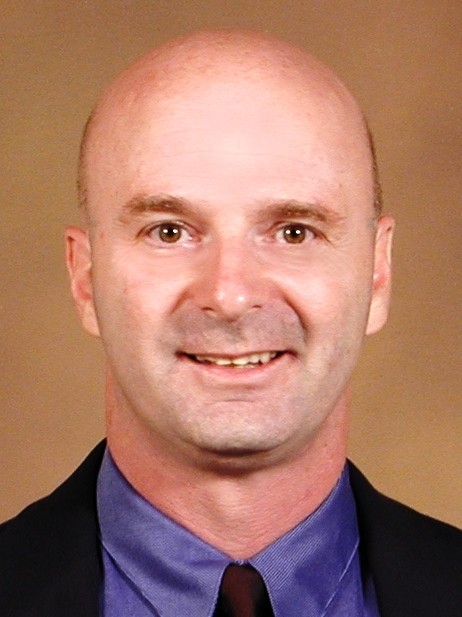 | About John Martignoni John Martignoni is the Director of the Office of Evangelization for the Diocese of Birmingham in Alabama and also the President of the Bible Christian Society. John's column, Apologetics 101, appears regularly in the diocesan newspaper, the One Voice. If you have a question about the Catholic Faith, please send an email to: jmartignoni@bhmdiocese.org. And check out John's free audio and written apologetics materials at: www.biblechristiansociety.com. |

