"Should those pressures succeed, the Catholic Church will be forced to get out of the civil marriage business — as it has been forced in some states to stop providing foster care for children and young people, thanks to the pressures of the really phobic parties in these affairs: the Christophobes. Priests will no longer function as officials of the state when witnessing marriages."Read the entire article >>>

Tuesday, July 12, 2011
George Weigel on American Totalitarianism
Weigel comments on the recent "gay" marriage law in New York, Christophobia, and the Soviet Union.


Friday, July 8, 2011
José Crow Laws
BY DAVID O’BRIEN
I am a minority, the son of a Hispanic immigrant who left South America and moved to New York City in the 1950’s. After marrying my father, my mother’s legal status in this country regularized and she became a US citizen.
All this being said, if I were to be pulled over because of a broken tail light on an Alabama highway, I have nothing to fear. I look white.
My wife, however, is often mistaken to be a Mexican even though she is Filipina. Plenty of people test their Spanish on her, assuming she’s an immigrant.
When she read about Alabama’s new "toughest law on immigration," she responded: "Great, I better not forget my wallet because they can throw me in jail now for not producing proof that I am American."
Two weeks ago, a group of 2,500 U.S. citizens from churches across Birmingham marched in silent protest carrying candles and ringing bells. The impetus for their public demonstration? They wanted to stand alongside the strangers in our state whom Jesus insists we welcome. (Mt 25:35) By the way, the march was organized by rank and file Catholics, many of whom have never marched for anything in their lives. They had studied the church’s teaching through a parish program called JustFaith and the experience compelled them to put their faith into action.
The fact that our national immigration policy is deeply broken is not a matter of debate. It is. The right of a sovereign country to defend and control its borders is also not a contestable point. We all agree on that.
What is at stake these days is whether this country, with Alabama leading the way, will adopt laws that are purely punitive towards a vulnerable population of people. Are these strangers who come from south of the border not our brothers and sisters in the Lord, partakers of the one bread and the one cup which we call Holy Communion? (cf 1 Cor 10-12)
Church teaching speaks strongly in support of protecting the rights and dignity of those who migrate seeking a better life for themselves and their families. (www.mdcathcon.org/immigration)
Pope Benedict XVI states: "All, therefore, belong to one family, migrants and the local populations that welcome them, and all have the same right to enjoy the goods of the earth whose destination is universal, as the social doctrine of the Church teaches. It is here that solidarity and sharing are founded." (World Day of Migrants and Refugees 2011)
The Supreme Pontiff continues: "It is thanks to (the Eucharist) that the People of God includes "every nation, race, people, and tongue" (Rev 7:9), not with a sort of sacred power but with the superior service of charity. In fact the exercise of charity, especially for the poorest and weakest, is the criterion that proves the authenticity of the Eucharistic celebration" (cf. John Paul II, Apostolic Letter "Mane nobiscum Domine", 28).
Pope John Paul II struck a similar chord saying: "[the universal common good] includes the whole family of peoples, beyond every nationalistic egoism. The Church recognizes this right in every human person, in its dual aspect of the possibility to leave one’s country and the possibility to enter another country to look for better conditions of life" (Message for World Day of Migration 2001)
Archbishop O’Brien from Maryland recently wrote about the racist nature of the current immigration debate and the need for Catholics to challenge ourselves with this question:
Would we happily welcome immigrants to our country if they were here legally? (www.mdcathcon.org/immigration)
I wonder how many of us have formed our opinions on immigration based on politicians or TV and radio personalities rather than the gospels and our own Church’s clear teaching. I know I find it hard to hear the voice of the Lord amidst all the noise in our culture.
Still, after so many years of justifying Jim Crow as necessary for the well being of our community, shouldn’t we be a little careful that we aren’t now supporting José Crow laws?
I am a minority, the son of a Hispanic immigrant who left South America and moved to New York City in the 1950’s. After marrying my father, my mother’s legal status in this country regularized and she became a US citizen.
All this being said, if I were to be pulled over because of a broken tail light on an Alabama highway, I have nothing to fear. I look white.
My wife, however, is often mistaken to be a Mexican even though she is Filipina. Plenty of people test their Spanish on her, assuming she’s an immigrant.
When she read about Alabama’s new "toughest law on immigration," she responded: "Great, I better not forget my wallet because they can throw me in jail now for not producing proof that I am American."
Two weeks ago, a group of 2,500 U.S. citizens from churches across Birmingham marched in silent protest carrying candles and ringing bells. The impetus for their public demonstration? They wanted to stand alongside the strangers in our state whom Jesus insists we welcome. (Mt 25:35) By the way, the march was organized by rank and file Catholics, many of whom have never marched for anything in their lives. They had studied the church’s teaching through a parish program called JustFaith and the experience compelled them to put their faith into action.
The fact that our national immigration policy is deeply broken is not a matter of debate. It is. The right of a sovereign country to defend and control its borders is also not a contestable point. We all agree on that.
What is at stake these days is whether this country, with Alabama leading the way, will adopt laws that are purely punitive towards a vulnerable population of people. Are these strangers who come from south of the border not our brothers and sisters in the Lord, partakers of the one bread and the one cup which we call Holy Communion? (cf 1 Cor 10-12)
Church teaching speaks strongly in support of protecting the rights and dignity of those who migrate seeking a better life for themselves and their families. (www.mdcathcon.org/immigration)
Pope Benedict XVI states: "All, therefore, belong to one family, migrants and the local populations that welcome them, and all have the same right to enjoy the goods of the earth whose destination is universal, as the social doctrine of the Church teaches. It is here that solidarity and sharing are founded." (World Day of Migrants and Refugees 2011)
The Supreme Pontiff continues: "It is thanks to (the Eucharist) that the People of God includes "every nation, race, people, and tongue" (Rev 7:9), not with a sort of sacred power but with the superior service of charity. In fact the exercise of charity, especially for the poorest and weakest, is the criterion that proves the authenticity of the Eucharistic celebration" (cf. John Paul II, Apostolic Letter "Mane nobiscum Domine", 28).
Pope John Paul II struck a similar chord saying: "[the universal common good] includes the whole family of peoples, beyond every nationalistic egoism. The Church recognizes this right in every human person, in its dual aspect of the possibility to leave one’s country and the possibility to enter another country to look for better conditions of life" (Message for World Day of Migration 2001)
Archbishop O’Brien from Maryland recently wrote about the racist nature of the current immigration debate and the need for Catholics to challenge ourselves with this question:
Would we happily welcome immigrants to our country if they were here legally? (www.mdcathcon.org/immigration)
I wonder how many of us have formed our opinions on immigration based on politicians or TV and radio personalities rather than the gospels and our own Church’s clear teaching. I know I find it hard to hear the voice of the Lord amidst all the noise in our culture.
Still, after so many years of justifying Jim Crow as necessary for the well being of our community, shouldn’t we be a little careful that we aren’t now supporting José Crow laws?
 * * | About David O’Brien David O’Brien is the Associate Director of Religious Education for Lay Ministry for the Archdiocese of Mobile. His column, Everyday Faith, appears regularly in the archdiocesan newspaper, the Catholic Week. Email David at dobrien@mobilearchdiocese.org. |
Tuesday, June 28, 2011
Fourth of July

BY ARCHBISHOP THOMAS J. RODI
We will soon celebrate Independence Day. It is indeed a time to celebrate the freedoms which we enjoy. This day was envisioned by our Founding Fathers on the first Independence Day when in 1776 John Adams wrote this about the Fourth of July:
It is of importance that this first manner in which John Adams felt the day should be celebrated would be "by solemn Acts of Devotion to God Almighty." This would do us well to remember this fact. Our Founding Fathers had just signed the Declaration of Independence. They did so at grave risk to their welfare for they knew that, if caught, they would be executed for such an act. However, with the courage of principle, they declared to the King of England that their rights did not come to them from any monarch or parliament, nor did their rights come to them by being free-born Englishmen. Instead they wrote that:
Boldly they proclaimed that our most fundamental rights come to us from God our Creator. We forget this at our own peril. Our most fundamental rights do not come to us from any president, congress, court, or even from the fact that we are Americans. Our most basic and important rights come to us from God. We give thanks that we live in a country where so many have sacrificed so greatly so that we may enjoy these rights, but we cannot lose sight of the source of these rights: God alone to whom we owe of first and highest allegiance. God spoke to the people of Israel through Moses and reminded them of this very fact:
As we celebrate this Fourth of July, let us be mindful of our need of God and his goodness to us. Perhaps this prayer, often attributed to George Washington, helps put this celebration into a proper focus:
We will soon celebrate Independence Day. It is indeed a time to celebrate the freedoms which we enjoy. This day was envisioned by our Founding Fathers on the first Independence Day when in 1776 John Adams wrote this about the Fourth of July:
It ought to be commemorated as the Day of Deliverance by solemn Acts of Devotion to God Almighty. It ought to be solemnized with Pomp and Parade, with shews, games, Sports, Guns, Bells, Bonfires and illuminations from one End of this Continent to the other from this Time forward forever more.
It is of importance that this first manner in which John Adams felt the day should be celebrated would be "by solemn Acts of Devotion to God Almighty." This would do us well to remember this fact. Our Founding Fathers had just signed the Declaration of Independence. They did so at grave risk to their welfare for they knew that, if caught, they would be executed for such an act. However, with the courage of principle, they declared to the King of England that their rights did not come to them from any monarch or parliament, nor did their rights come to them by being free-born Englishmen. Instead they wrote that:
We hold these truths to be self-evident, that all men are created equal, that they are endowed by their Creator with certain unalienable rights, that among these are life, liberty and the pursuit of happiness.
Boldly they proclaimed that our most fundamental rights come to us from God our Creator. We forget this at our own peril. Our most fundamental rights do not come to us from any president, congress, court, or even from the fact that we are Americans. Our most basic and important rights come to us from God. We give thanks that we live in a country where so many have sacrificed so greatly so that we may enjoy these rights, but we cannot lose sight of the source of these rights: God alone to whom we owe of first and highest allegiance. God spoke to the people of Israel through Moses and reminded them of this very fact:
Therefore, keep the commandments of the Lord, your God, by walking in his ways and fearing him. For the Lord, your God, is bringing you into a good country, a land with streams of water, with springs and fountains welling up in the hills and valleys, a land of wheat and barley, of vines and fig trees and pomegranates, of olive trees and honey, a land where you can eat bread without stint and where you will lack nothing, a land whose stones contain iron and in whose hills you can mine copper. But when you have eaten your fill, you must bless the Lord, your God, for the good country he has given you. Be careful not to forget the Lord, your God, by neglecting his commandments and decrees and statutes which I enjoin of you today, lest when you have eaten your fill, and have built fine houses and have lived in them, and have increased your herds and flocks, your silver and gold, and all your property, you then become haughty of heart and unmindful of the Lord, your God, who brought you out of the land of Egypt....Otherwise, you might say to yourselves, "It is my own power and the strength of my own hand that has obtained for me this wealth." Remember then, it is the Lord, your God, who gives you the power to acquire wealth, by fulfilling, as he has now done, the covenant which he swore to your fathers. But if you forget the Lord, your God, and follow other gods, serving and worshiping them, I forewarn you this day that you will perish utterly. Like the nations which the Lord destroys before you, so shall you too perish for not heeding the voice of the Lord, your God. (Deuteronomy 8)
As we celebrate this Fourth of July, let us be mindful of our need of God and his goodness to us. Perhaps this prayer, often attributed to George Washington, helps put this celebration into a proper focus:
Almighty God, who has given us this good land for our heritage: We humbly beseech you that we may always prove ourselves a people mindful of your favor and glad to do your will. Bless our land with honorable industry, sound learning, and pure manners. Save us from violence, discord, and confusion; from pride and arrogance, and from every evil way. Defend our liberties, and fashion into one united people the multitudes brought hither out of many kindreds and tongues. Endue with the spirit of wisdom those to whom your Name we entrust the authority of government, that there may be justice and peace at home, and that, through obedience to your law, we may show forth your praise among the nations of the earth. In the time of prosperity, fill our hearts with thankfulness and in the day of trouble, do not allow our trust in you to fail; all this we ask through Jesus Christ our Lord.Most Reverend Thomas J. Rodi is the Archbishop of Mobile
Monday, June 27, 2011
Sharing your faith without scaring people away
BY DAVID O’BRIEN
Many Catholics feel intimidated to share their faith. Jesus never intended for the Great Commission (Matt 28:19-20) to be an impossible burden. Rather, God intended us to witness for Christ as a natural outcome of living for him.
Here are a few tips for sharing Christ with others this summer.
You can’t give what you don’t have. Faith is more often caught than taught. That means we have to be carrying the bug so we can pass it on to others. If our life is filled with God and the things God is doing, it will be much easier to speak to others about the joys of knowing Christ.
When faith is something we intellectually accept but rarely do anything with, of course we are intimated to talk about Christ. We are speaking of a subject about which we know very little. Or worse, we are hypocrites, telling others to do what we don’t do ourselves.
Once a woman approached Gandhi to ask him to tell her son to cut back on sugar. Gandhi agreed but sent her home with an invitation to return in a month. When she returned with her son, Gandhi instructed him to limit his sugar. The woman, confused by the month delay, asked Gandhi about it. He said: "I couldn’t tell the boy what I wasn’t living myself. So I needed a month to break my own addiction to sugar."
Prepare your testimony. St. Peter in his first letter writes: "Be prepared to give an answer to everyone who asks you to explain the hope that is within you." (1 Pt 3:15) In other words, we need to be ready when God opens the door for us to speak about Him in our lives.
In order to do this well, it helps to take some time and reflect on our personal story. What was my life like before God was in the center? What happened that caused the change? What is different since then?
If you have this testimony ready, God will give you the chance to share it. Maybe a friend, spouse or child will ask you why you go to church or why your faith is so important to you. Be ready and then pray to the Holy Spirit for opportunities, for the courage to speak and for the right words to touch the heart of the person listening.
Offer to pray with people. Most decent people will listen and help when there is a crisis. But, as Catholics, we can do even more. We can invite God into the situation through prayer.
This can come in the normal way by offering to pray for the person. But what if you reached out to that hurting person and prayed with them right there. Wouldn’t it be nice, if you were struggling, to hear someone speak to God on your behalf out loud, right when you needed God’s help the most?
It can be intimidating to be so spontaneous. But it shouldn’t be. If we are talking to Jesus all the time, why should we be so shy to talk to Him with a friend or family member in distress? Our prayers don’t have to be Shakespeare. Just pray from your heart.
Intimate, personal prayer is one of the great treasures given to us by Christ. Why not use it to bless others who are sick, scared, worried, lonely or overwhelmed? We are Christ’s ambassadors, after all. (2 Cor 5:20).
Twice this past month, friends who were visiting challenged me to be more free with my prayer. One woman, before saying goodnight for the evening said, "let’s have a psalm" and proceeded to read Psalm 121 for all of us to pray. Another friend before leaving after dinner, gathered my family into a circle, children included, and offered a prayer for us all. Beautiful. Such a gift.
Evangelization is a big word and a big task, one that many would like to leave to the priests. Too bad a lot of the people who need Christ don’t go to church or know a priest. But they know us. We work with them, live next to them or go to school with them. Why not share the gift Christ has given us?
Sharing your faith or offering a prayer is not the same as thumping someone with a bible or coercing them to attend your church. It is an act of love and that is evangelization. After all, God is love. (1 Jn 4:8)
Many Catholics feel intimidated to share their faith. Jesus never intended for the Great Commission (Matt 28:19-20) to be an impossible burden. Rather, God intended us to witness for Christ as a natural outcome of living for him.
Here are a few tips for sharing Christ with others this summer.
You can’t give what you don’t have. Faith is more often caught than taught. That means we have to be carrying the bug so we can pass it on to others. If our life is filled with God and the things God is doing, it will be much easier to speak to others about the joys of knowing Christ.
When faith is something we intellectually accept but rarely do anything with, of course we are intimated to talk about Christ. We are speaking of a subject about which we know very little. Or worse, we are hypocrites, telling others to do what we don’t do ourselves.
Once a woman approached Gandhi to ask him to tell her son to cut back on sugar. Gandhi agreed but sent her home with an invitation to return in a month. When she returned with her son, Gandhi instructed him to limit his sugar. The woman, confused by the month delay, asked Gandhi about it. He said: "I couldn’t tell the boy what I wasn’t living myself. So I needed a month to break my own addiction to sugar."
Prepare your testimony. St. Peter in his first letter writes: "Be prepared to give an answer to everyone who asks you to explain the hope that is within you." (1 Pt 3:15) In other words, we need to be ready when God opens the door for us to speak about Him in our lives.
In order to do this well, it helps to take some time and reflect on our personal story. What was my life like before God was in the center? What happened that caused the change? What is different since then?
If you have this testimony ready, God will give you the chance to share it. Maybe a friend, spouse or child will ask you why you go to church or why your faith is so important to you. Be ready and then pray to the Holy Spirit for opportunities, for the courage to speak and for the right words to touch the heart of the person listening.
Offer to pray with people. Most decent people will listen and help when there is a crisis. But, as Catholics, we can do even more. We can invite God into the situation through prayer.
This can come in the normal way by offering to pray for the person. But what if you reached out to that hurting person and prayed with them right there. Wouldn’t it be nice, if you were struggling, to hear someone speak to God on your behalf out loud, right when you needed God’s help the most?
It can be intimidating to be so spontaneous. But it shouldn’t be. If we are talking to Jesus all the time, why should we be so shy to talk to Him with a friend or family member in distress? Our prayers don’t have to be Shakespeare. Just pray from your heart.
Intimate, personal prayer is one of the great treasures given to us by Christ. Why not use it to bless others who are sick, scared, worried, lonely or overwhelmed? We are Christ’s ambassadors, after all. (2 Cor 5:20).
Twice this past month, friends who were visiting challenged me to be more free with my prayer. One woman, before saying goodnight for the evening said, "let’s have a psalm" and proceeded to read Psalm 121 for all of us to pray. Another friend before leaving after dinner, gathered my family into a circle, children included, and offered a prayer for us all. Beautiful. Such a gift.
Evangelization is a big word and a big task, one that many would like to leave to the priests. Too bad a lot of the people who need Christ don’t go to church or know a priest. But they know us. We work with them, live next to them or go to school with them. Why not share the gift Christ has given us?
Sharing your faith or offering a prayer is not the same as thumping someone with a bible or coercing them to attend your church. It is an act of love and that is evangelization. After all, God is love. (1 Jn 4:8)
 * * | About David O’Brien David O’Brien is the Associate Director of Religious Education for Lay Ministry for the Archdiocese of Mobile. His column, Everyday Faith, appears regularly in the archdiocesan newspaper, the Catholic Week. Email David at dobrien@mobilearchdiocese.org. |
Saturday, June 25, 2011
Are there rules for doing apologetics?
BY JOHN MARTIGNONI
Q: Are there any basic “rules” for doing apologetics?
A: 1 Ptr 3:15 says, “Always be prepared to make a defense...” Always be prepared Scripture tells us! How can we “always be prepared” to make a defense of our Faith?
Rule #1: Pray. Pray to the Holy Spirit that He give you the courage to share your Faith and the wisdom to choose your words carefully and profitably.
Rule #2: You don’t have to know everything right now. Learn a little bit more about your Faith each and every day. Read Scripture. Read the Catechism. Listen to apologetics tapes. Listen to Catholic Radio. Learn a little bit at a time.
Rule #3: Luke 5:10, “Do not be afraid, henceforth you will be catching men.” Jesus said this to Peter, and to us. Will you make mistakes and get into tight spots when you start sharing your Faith with others? Yes, you will, but Peter made mistakes and he got into tight spots. Yet, Jesus told Peter not to be afraid. Why? Because if we are sincere in our desire to share the truth with others...to share Jesus Christ with others...then Jesus will find a way to make good come from even our mistakes.
Rule #4: Always view a question about your Faith, or even an attack on your Faith, as an opportunity - an opportunity to share the truth.
Rule #5: Don’t get frustrated. Catholics often get frustrated by what I call the doctrinal dance...you get asked about Purgatory, Mary, the Pope, the Sacraments all in rapid fire succession. Before you can answer one question, you’re asked another, then another. Just keep bringing the discussion back to one topic until you’ve said all you want to say...then move on.
Rule #6: Most important! Never be afraid to say, “I don’t know,” when asked a question about your Faith. Don’t try to “wing it.” However, always follow, “I don’t know,” with, “But, I will find out and get back to you.” And make sure you do!
Rule #7 Ingrain this into your psyche - the Bible is a Catholic book! The Catholic Church gave it to the world. Which means that there is no teaching in the Bible that is contrary to anything in the Catholic Faith, and there is no teaching in the Catholic Faith that is contrary to anything in the Bible. This is important to remember because a lot of times folks will quote a passage from the Bible that supposedly “proves” the Catholic Church is wrong. Whenever someone quotes you a Bible verse that “proves” the Catholic Church is wrong on something, your response should be, “Amen, I believe what the Bible says! As a Catholic, I believe everything the Bible says! However, I don’t agree with your very fallible personal interpretation of that passage.”
And the reason you don’t agree with their personal interpretation is because 100% of the time you are presented with a verse that “proves” the Church wrong, that verse has either: a) been taken out of context, or b) simply does not say what they are trying to make it say - the words on the page do not match the words coming out of their mouth.
As Catholics, we need to reclaim the Bible - it’s our book. We need to read it, learn it, pray it, meditate on it, soak in it, and live it. “Ignorance of Scripture is ignorance of Christ,” St. Jerome said. And we need to be conversant in the Bible so that we can use it to plant seeds of truth with our separated brothers and sisters which will hopefully help dispel the myths and misconceptions they hold about the Church and build unity in the Body of Christ.
Q: Are there any basic “rules” for doing apologetics?
A: 1 Ptr 3:15 says, “Always be prepared to make a defense...” Always be prepared Scripture tells us! How can we “always be prepared” to make a defense of our Faith?
Rule #1: Pray. Pray to the Holy Spirit that He give you the courage to share your Faith and the wisdom to choose your words carefully and profitably.
Rule #2: You don’t have to know everything right now. Learn a little bit more about your Faith each and every day. Read Scripture. Read the Catechism. Listen to apologetics tapes. Listen to Catholic Radio. Learn a little bit at a time.
Rule #3: Luke 5:10, “Do not be afraid, henceforth you will be catching men.” Jesus said this to Peter, and to us. Will you make mistakes and get into tight spots when you start sharing your Faith with others? Yes, you will, but Peter made mistakes and he got into tight spots. Yet, Jesus told Peter not to be afraid. Why? Because if we are sincere in our desire to share the truth with others...to share Jesus Christ with others...then Jesus will find a way to make good come from even our mistakes.
Rule #4: Always view a question about your Faith, or even an attack on your Faith, as an opportunity - an opportunity to share the truth.
Rule #5: Don’t get frustrated. Catholics often get frustrated by what I call the doctrinal dance...you get asked about Purgatory, Mary, the Pope, the Sacraments all in rapid fire succession. Before you can answer one question, you’re asked another, then another. Just keep bringing the discussion back to one topic until you’ve said all you want to say...then move on.
Rule #6: Most important! Never be afraid to say, “I don’t know,” when asked a question about your Faith. Don’t try to “wing it.” However, always follow, “I don’t know,” with, “But, I will find out and get back to you.” And make sure you do!
Rule #7 Ingrain this into your psyche - the Bible is a Catholic book! The Catholic Church gave it to the world. Which means that there is no teaching in the Bible that is contrary to anything in the Catholic Faith, and there is no teaching in the Catholic Faith that is contrary to anything in the Bible. This is important to remember because a lot of times folks will quote a passage from the Bible that supposedly “proves” the Catholic Church is wrong. Whenever someone quotes you a Bible verse that “proves” the Catholic Church is wrong on something, your response should be, “Amen, I believe what the Bible says! As a Catholic, I believe everything the Bible says! However, I don’t agree with your very fallible personal interpretation of that passage.”
And the reason you don’t agree with their personal interpretation is because 100% of the time you are presented with a verse that “proves” the Church wrong, that verse has either: a) been taken out of context, or b) simply does not say what they are trying to make it say - the words on the page do not match the words coming out of their mouth.
As Catholics, we need to reclaim the Bible - it’s our book. We need to read it, learn it, pray it, meditate on it, soak in it, and live it. “Ignorance of Scripture is ignorance of Christ,” St. Jerome said. And we need to be conversant in the Bible so that we can use it to plant seeds of truth with our separated brothers and sisters which will hopefully help dispel the myths and misconceptions they hold about the Church and build unity in the Body of Christ.
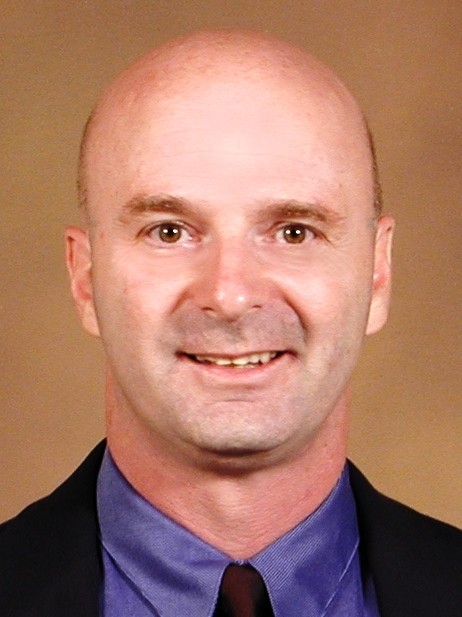 | About John Martignoni John Martignoni is the Director of the Office of Evangelization for the Diocese of Birmingham in Alabama and also the President of the Bible Christian Society. John's column, Apologetics 101, appears regularly in the diocesan newspaper, the One Voice. If you have a question about the Catholic Faith, please send an email to: jmartignoni@bhmdiocese.org. And check out John's free audio and written apologetics materials at: www.biblechristiansociety.com. |
Wednesday, June 22, 2011
What does the word "apologetics" mean?
BY JOHN MARTIGNONI
Q: What does the word “apologetics” mean?
A: The word “apologetics” is derived from an ancient Greek word, apologia, which means: an apology. Not an apology in the modern sense of the word, which is to say you’re sorry for something, but rather an apology in the ancient sense of the word, which is: to make a reasoned defense of something or someone. In ancient times, the word apology referred to the case a lawyer would make on behalf of his client.
So, apologetics, is about building the case for our Faith - learning how to explain and defend our Faith. Basically, there are three types of apologetics: natural apologetics, Christian apologetics, and Catholic apologetics. Natural apologetics builds the case for truths that we can know from the “natural” light of reason, truths that are able to be known without any divine intervention.
Truths such as the existence of God, the existence of the human soul, the objective reality of right and wrong - truths which the articles of our Faith rest upon and build upon. Christian apologetics, on the other hand, builds the case for divinely revealed truths - truths that cannot be known by reason apart from faith. Truths such as the reality of biblical miracles, the Incarnation, the divinity of Christ, and the Resurrection to name a few.
Catholic apologetics encompasses all of Christian apologetics - since Catholicism is the fullness of Christianity - but Catholic apologetics tends to focus on those truths of Christianity that are not generally believed by non-Catholic Christians. Truths such as: the Catholic Church being the one Church founded by Jesus Christ, apostolic succession, the sacraments, the papacy, Mary’s Assumption, and others.
Again, the three main types of apologetics are: natural apologetics, Christian apologetics, and Catholic apologetics. In these columns we focus mainly on Catholic apologetics - how to explain and defend the truths of our Catholic Faith.
Q: What does the word “apologetics” mean?
A: The word “apologetics” is derived from an ancient Greek word, apologia, which means: an apology. Not an apology in the modern sense of the word, which is to say you’re sorry for something, but rather an apology in the ancient sense of the word, which is: to make a reasoned defense of something or someone. In ancient times, the word apology referred to the case a lawyer would make on behalf of his client.
So, apologetics, is about building the case for our Faith - learning how to explain and defend our Faith. Basically, there are three types of apologetics: natural apologetics, Christian apologetics, and Catholic apologetics. Natural apologetics builds the case for truths that we can know from the “natural” light of reason, truths that are able to be known without any divine intervention.
Truths such as the existence of God, the existence of the human soul, the objective reality of right and wrong - truths which the articles of our Faith rest upon and build upon. Christian apologetics, on the other hand, builds the case for divinely revealed truths - truths that cannot be known by reason apart from faith. Truths such as the reality of biblical miracles, the Incarnation, the divinity of Christ, and the Resurrection to name a few.
Catholic apologetics encompasses all of Christian apologetics - since Catholicism is the fullness of Christianity - but Catholic apologetics tends to focus on those truths of Christianity that are not generally believed by non-Catholic Christians. Truths such as: the Catholic Church being the one Church founded by Jesus Christ, apostolic succession, the sacraments, the papacy, Mary’s Assumption, and others.
Again, the three main types of apologetics are: natural apologetics, Christian apologetics, and Catholic apologetics. In these columns we focus mainly on Catholic apologetics - how to explain and defend the truths of our Catholic Faith.
| About John Martignoni John Martignoni is the Director of the Office of Evangelization for the Diocese of Birmingham in Alabama and also the President of the Bible Christian Society. John's column, Apologetics 101, appears regularly in the diocesan newspaper, the One Voice. If you have a question about the Catholic Faith, please send an email to: jmartignoni@bhmdiocese.org. And check out John's free audio and written apologetics materials at: www.biblechristiansociety.com. |
Monday, June 20, 2011
When your wife is more devout than you
BY DEVON ROSE
About Devin Rose
Devin Rose is a software engineer who blogs at St. Joseph’s Vanguard. He and his wife, Katie, live with their four children in the Southwest.
Reprinted with permission of the Catholic News Agency.
“Okay, out with it,” I said to my wife. She’d been keeping something to herself for a while, but I knew that she finally wanted to tell me about it.
“For the past year, I’ve been doing a secret fast for you. You know, for your spiritual growth.”
She looked a bit sheepish, but relieved as well.
This wasn’t as strange as it may at first sound, because my wife often fasted from various things — usually desserts or other things she liked — offering them for some specific person or intention. I knew about these, since she would share them with me. But now, apparently, I was the target of her particular fast.
I took no little umbrage at this. After all, I take my family to Mass every Sunday, sometimes go to daily Mass myself, and I lead my family in prayers before meals. Sure, I could read the Bible and pray more frequently, but who couldn’t, right? Nonetheless, my wife’s fast confirmed for me something I had long suspected: she was more devout than I.
Though exceptions exist, I suspect that is the case with most Catholic couples. And perhaps this isn’t surprising, since God made women to receive the gift and bear new life, and this fruitfulness is both physical and spiritual. He also gave women the privilege of being the heart of the home, and with that comes special graces of devotion. Our Blessed Mother embodies the ultimate example of these womanly graces.
But God made us men to be the head of our families. So regardless of whether we are more or less devout than our wives, it is up to us to lead our families in natural and supernatural matters. Rather than being resentful of the wonderful gifts our Lord has bestowed upon our spouses, we must embrace them and complement them with our own special gifts. Here are three tips on how to do this:
1. Ask your wife to respect your leadership
Talk frankly with your wife about how she can help you in your role as father and head of your home. Sometimes she may know before you do what the best course of action is, but just as Mary waited for St. Joseph to take their family to Egypt, she needs to wait for you. That doesn’t mean that her input isn’t important — by all means you should frequently ask for it and take it into consideration — but then she should give you space to prayerfully discern the right course of action and respect your decision.
2. Let your wife invite you to pray with her
This one has worked well for me and my wife. We’re in the car with the children, just starting out on an errand or trip together. She’s thinking how nice it would be to pray the rosary or Divine Mercy Chaplet. I’m thinking about which songs I want to listen to on the road. I see her start to reach for the rosary beads hanging from the rearview mirror. At this point, I can decide: do I let her pray silently by herself, or am I willing to forego music for a short time to pray with her. Usually I opt for the latter, because time in the car is a great opportunity to pray together, time that we sometimes don’t take when we’re busy with the children at home.
We’ve done this enough times that it is now my wife who asks, “Would you like to pray with me?” For a long time, she didn’t feel comfortable asking me to pray with her, since I would often respond with a reluctant sigh. But I came to realize that my reaction was bad, and I told my wife that whenever she desires to pray, she should invite me to pray with her. This has been a great blessing for our marriage and for the peace of our family.
3. Deepen your own interior life
Maybe we will never be as devout as our wives, but that shouldn’t stop us from striving to reach the level of sanctity that God wills for us. The rule to follow here is, start wherever you are at and take small steps forward from there. If you never go to daily Mass, go one day a week. If you go to Confession once every two or three months, try to make it once per month. If you aren’t reading the Bible, start reading a little each day, beginning with the Gospels. If you are already doing these things, find an adoration chapel in your area and take a weekly holy hour. And wherever you are at in your walk with Jesus, look for a spiritual director — preferably a priest — and meet with him regularly for guidance.
Don’t fall into the trap that I often do of comparing myself to other men. “Hey, I’m doing pretty well — just look at that guy. He’s way worse than I am!” As tempting as it is to compare yourself with those even less devout than you are, it doesn’t help, and more importantly it is not how you will be judged when you go before God one day.
God made our wives wonderfully. And we should see their devotion for what it is — a beautiful gift — and not as a cause for intimidation or self-consciousness. My wife and I continue to learn how to respect each other in this area, and I keep working on my own spiritual growth.
“For the past year, I’ve been doing a secret fast for you. You know, for your spiritual growth.”
She looked a bit sheepish, but relieved as well.
This wasn’t as strange as it may at first sound, because my wife often fasted from various things — usually desserts or other things she liked — offering them for some specific person or intention. I knew about these, since she would share them with me. But now, apparently, I was the target of her particular fast.
I took no little umbrage at this. After all, I take my family to Mass every Sunday, sometimes go to daily Mass myself, and I lead my family in prayers before meals. Sure, I could read the Bible and pray more frequently, but who couldn’t, right? Nonetheless, my wife’s fast confirmed for me something I had long suspected: she was more devout than I.
Though exceptions exist, I suspect that is the case with most Catholic couples. And perhaps this isn’t surprising, since God made women to receive the gift and bear new life, and this fruitfulness is both physical and spiritual. He also gave women the privilege of being the heart of the home, and with that comes special graces of devotion. Our Blessed Mother embodies the ultimate example of these womanly graces.
But God made us men to be the head of our families. So regardless of whether we are more or less devout than our wives, it is up to us to lead our families in natural and supernatural matters. Rather than being resentful of the wonderful gifts our Lord has bestowed upon our spouses, we must embrace them and complement them with our own special gifts. Here are three tips on how to do this:
1. Ask your wife to respect your leadership
Talk frankly with your wife about how she can help you in your role as father and head of your home. Sometimes she may know before you do what the best course of action is, but just as Mary waited for St. Joseph to take their family to Egypt, she needs to wait for you. That doesn’t mean that her input isn’t important — by all means you should frequently ask for it and take it into consideration — but then she should give you space to prayerfully discern the right course of action and respect your decision.
2. Let your wife invite you to pray with her
This one has worked well for me and my wife. We’re in the car with the children, just starting out on an errand or trip together. She’s thinking how nice it would be to pray the rosary or Divine Mercy Chaplet. I’m thinking about which songs I want to listen to on the road. I see her start to reach for the rosary beads hanging from the rearview mirror. At this point, I can decide: do I let her pray silently by herself, or am I willing to forego music for a short time to pray with her. Usually I opt for the latter, because time in the car is a great opportunity to pray together, time that we sometimes don’t take when we’re busy with the children at home.
We’ve done this enough times that it is now my wife who asks, “Would you like to pray with me?” For a long time, she didn’t feel comfortable asking me to pray with her, since I would often respond with a reluctant sigh. But I came to realize that my reaction was bad, and I told my wife that whenever she desires to pray, she should invite me to pray with her. This has been a great blessing for our marriage and for the peace of our family.
3. Deepen your own interior life
Maybe we will never be as devout as our wives, but that shouldn’t stop us from striving to reach the level of sanctity that God wills for us. The rule to follow here is, start wherever you are at and take small steps forward from there. If you never go to daily Mass, go one day a week. If you go to Confession once every two or three months, try to make it once per month. If you aren’t reading the Bible, start reading a little each day, beginning with the Gospels. If you are already doing these things, find an adoration chapel in your area and take a weekly holy hour. And wherever you are at in your walk with Jesus, look for a spiritual director — preferably a priest — and meet with him regularly for guidance.
Don’t fall into the trap that I often do of comparing myself to other men. “Hey, I’m doing pretty well — just look at that guy. He’s way worse than I am!” As tempting as it is to compare yourself with those even less devout than you are, it doesn’t help, and more importantly it is not how you will be judged when you go before God one day.
God made our wives wonderfully. And we should see their devotion for what it is — a beautiful gift — and not as a cause for intimidation or self-consciousness. My wife and I continue to learn how to respect each other in this area, and I keep working on my own spiritual growth.
About Devin Rose
Devin Rose is a software engineer who blogs at St. Joseph’s Vanguard. He and his wife, Katie, live with their four children in the Southwest.
Reprinted with permission of the Catholic News Agency.
Subscribe to:
Posts (Atom)